

Extracorporeal Shock Wave Therapy (ESWT)
Effective Treatment for Pain and Discomfort in the Musculoskeletal System
- A scientifically based form of therapy
- Promotes healing and regeneration
- Gentle, effective, and well-tolerated
- Near You: Find Clinics That Offer ESWT




What is extracorporeal shock wave therapy (ESWT)?
Extracorporeal shock wave therapy (ESWT) is a modern, non-invasive treatment method designed to support the body’s natural healing processes. The therapy does not involve medication, injections, or surgery, and allows patients to return to their daily routines immediately—with no downtime.
Extracorporeal shock wave therapy is used to treat tendon, muscle, and bone disorders, as well as to support tissue regeneration and prevent injuries.

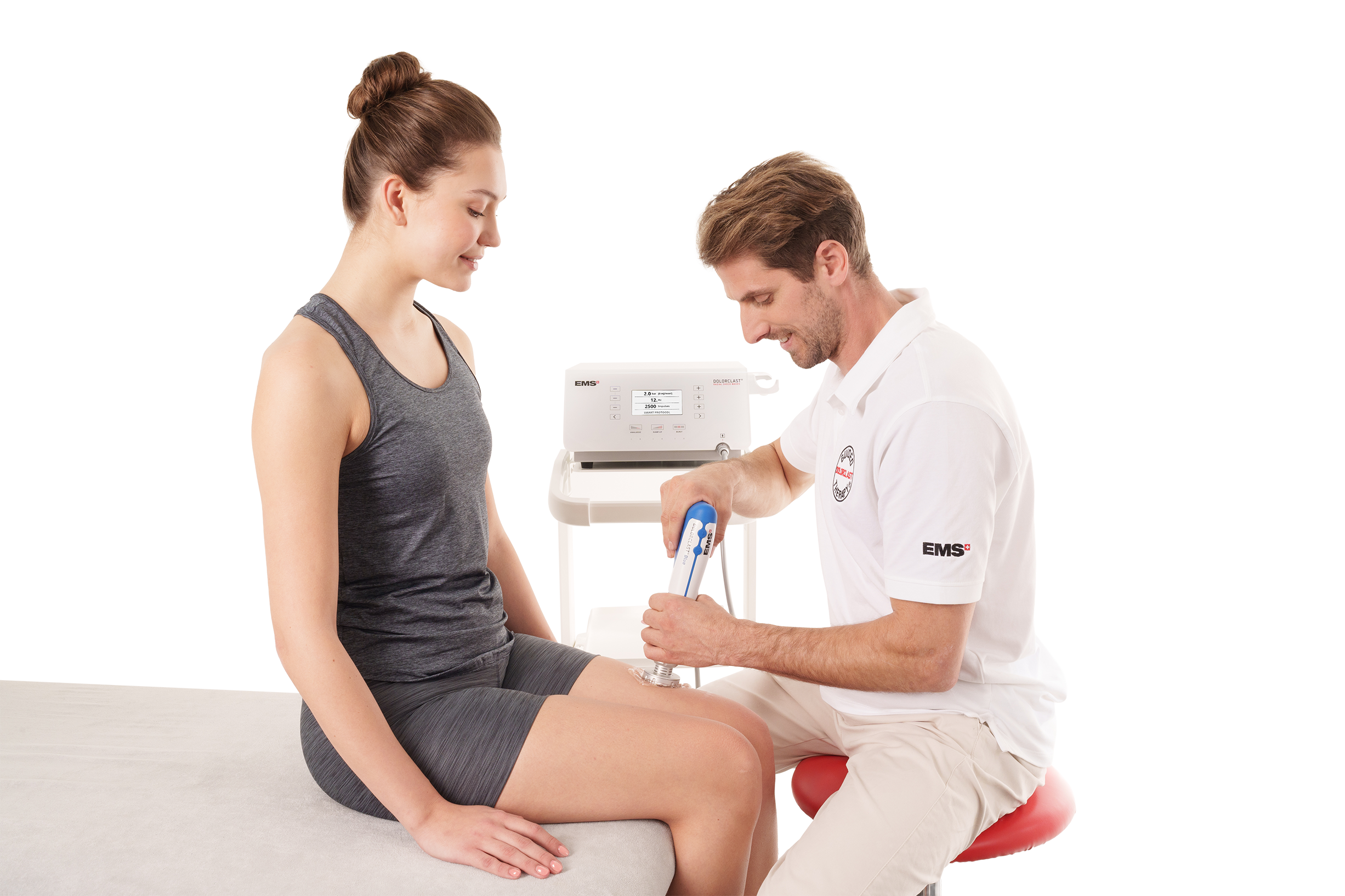
Shockwave therapy using a radial shockwave device for muscle stiffness
Regenerative processes can be activated using precisely targeted, high-energy shock waves delivered to the affected tissue via a handpiece. Shock wave therapy stimulates various biological mechanisms:
- Reduction of Substance P: Substance P is a neurotransmitter involved in pain transmission. A decrease in its levels can reduce pain.
- Inhibition of neurogenic inflammation: Inflammatory processes mediated by nerves can be reduced.
- Activation of growth factors and stem cells: The release of factors that support tissue repair and cell regeneration is promoted.
- Promotion of angiogenesis: New, small blood vessels form, which can improve blood supply to the tissue.
- Regeneration of tendons, muscles, bones, and cartilage: The stimulated healing processes support the regeneration of damaged structures.

Shock wave therapy using a focused shock wave device
Shock wave therapy is used successfully to treat a wide range of musculoskeletal conditions and is applied in orthopedics, physical therapy, sports medicine, and professional and competitive sports. The treatment has also become established in veterinary medicine.
Note: Treatment outcomes may vary from person to person and depend on the specific diagnosis and individual circumstances.
Are you a patient looking for shock wave therapy near you?
Practice FinderAre you a doctor, physical therapist, or medical professional interested in a demo?
Testing a shock wave deviceCommon Applications of Shock Wave Therapy
Shock wave therapy has been used successfully for many years to treat the following conditions, among others.
Heel Spur (Plantar Fasciitis)
A heel spur is a bony protrusion on the heel bone that is often associated with pain on the sole of the foot or in the area where the heel meets the foot. The underlying cause is often overuse of the plantar fascia, which can lead to chronic irritation and inflammation. Shockwave therapy can help reduce pain, promote blood flow, and stimulate the natural healing processes in the affected tissue. It is considered a proven, non-invasive treatment option for persistent heel pain.

Shock Wave Therapy for Heel Spurs
Calcified shoulder (tendinosis calcarea)
Calcific tendinitis is a condition affecting the shoulder tendons in which calcium deposits form in the tendon tissue. These deposits can cause pain and significantly limit shoulder mobility. Shock wave therapy can reduce inflammation, relieve pain, and promote the regeneration of the affected tissue. It has established itself as an effective, non-invasive treatment option for calcific tendinitis of the shoulder.
Shock Wave Therapy for Calcific Tendinitis of the Shoulder
Tennis Elbow (Lateral Epicondylitis)
Tennis elbow is a painful irritation of the tendon insertions on the outside of the elbow, often caused by repetitive strain on the wrist and forearm. Those affected often experience pain when gripping or lifting objects. Shock wave therapy can help reduce pain, improve blood flow, and promote the regeneration of the irritated tendon tissue.

Shock Wave Therapy for Tennis Elbow
Achilles Tendon Pain (Achillodynia)
Achillodynia refers to pain and irritation in the area of the Achilles tendon. These symptoms are often caused by overuse, athletic activities, or recurring improper loading. Shock wave therapy can promote blood flow, stimulate regenerative processes, and help relieve pain. This can support the healing of tendon tissue and improve the function of the Achilles tendon.

Shock Wave Therapy for Achilles Tendon Problems
Golfer's Elbow (Medial Epicondylitis)
Golfer's elbow is a painful condition involving irritation of the tendon insertions on the inner side of the elbow. The symptoms are often caused by repetitive strain or overuse of the forearm muscles and are not limited to golfers. Shock wave therapy can help relieve pain, promote blood flow, and support the regeneration of the affected tendon tissue.

Shock Wave Therapy for Golfer's Elbow
General Overview of Areas of Application
The EMS DolorClast® shock wave devices cover a wide range of indications:
Tendinopathies
(tendon complaints)
- Plantar fasciitis (heel spur)
- Tendinitis calcarea (calcific shoulder)
- Lateral epicondylitis (tennis elbow)
- Medial epicondylitis (golfer's elbow)
- Achillodynia
- Patella tip syndrome (jumper's knee)
- Rotator cuff tendinopathy
- and many more
Orthopaedic & degenerative
diseases
- Bursitis trochanterica
- Pes anserinus syndrome
- Periostitis
- Osteoarthritis (supportive)
- Arthritis
- Delayed bone healing (pseudoarthrosis)
- and many more
Myofascial & muscular
complaints
- Myofascial trigger points
- Chronic muscle tension
- Cervical syndrome
- Lumbalgia
- Shoulder-neck syndrome
- and many more
Further
areas of application
- Erectile dysfunction (fESWT)
- Cellulite (aesthetic area - rESWT)
- Chronic wounds (supportive)
- Lymphatic disorders (concomitant)
- and many more
How does shock wave therapy work?
Before treatment begins, a thorough examination is conducted to determine the cause of the symptoms and precisely locate the affected area. A contact gel is then applied to the skin to ensure that the shock waves are optimally transmitted into the tissue.
Using a special handpiece, high-energy shock waves are precisely directed into the tissue to be treated. The intensity and number of pulses are adjusted on a case-by-case basis depending on the condition and treatment goal. Any pain experienced during shock wave therapy is a sign that the treatment is working.
A session usually lasts between 5 and 15 minutes. To achieve optimal results, several sessions spaced a few days to a few weeks apart are often necessary. Since the therapy is noninvasive, patients can generally resume their normal activities immediately after treatment.
Easily find a clinic offering shock wave therapy right in your area!
Go to the Practice FinderFocused vs. Radial Shock Wave Therapy
Depending on the symptoms and treatment goals, different forms of shock wave therapy are used.
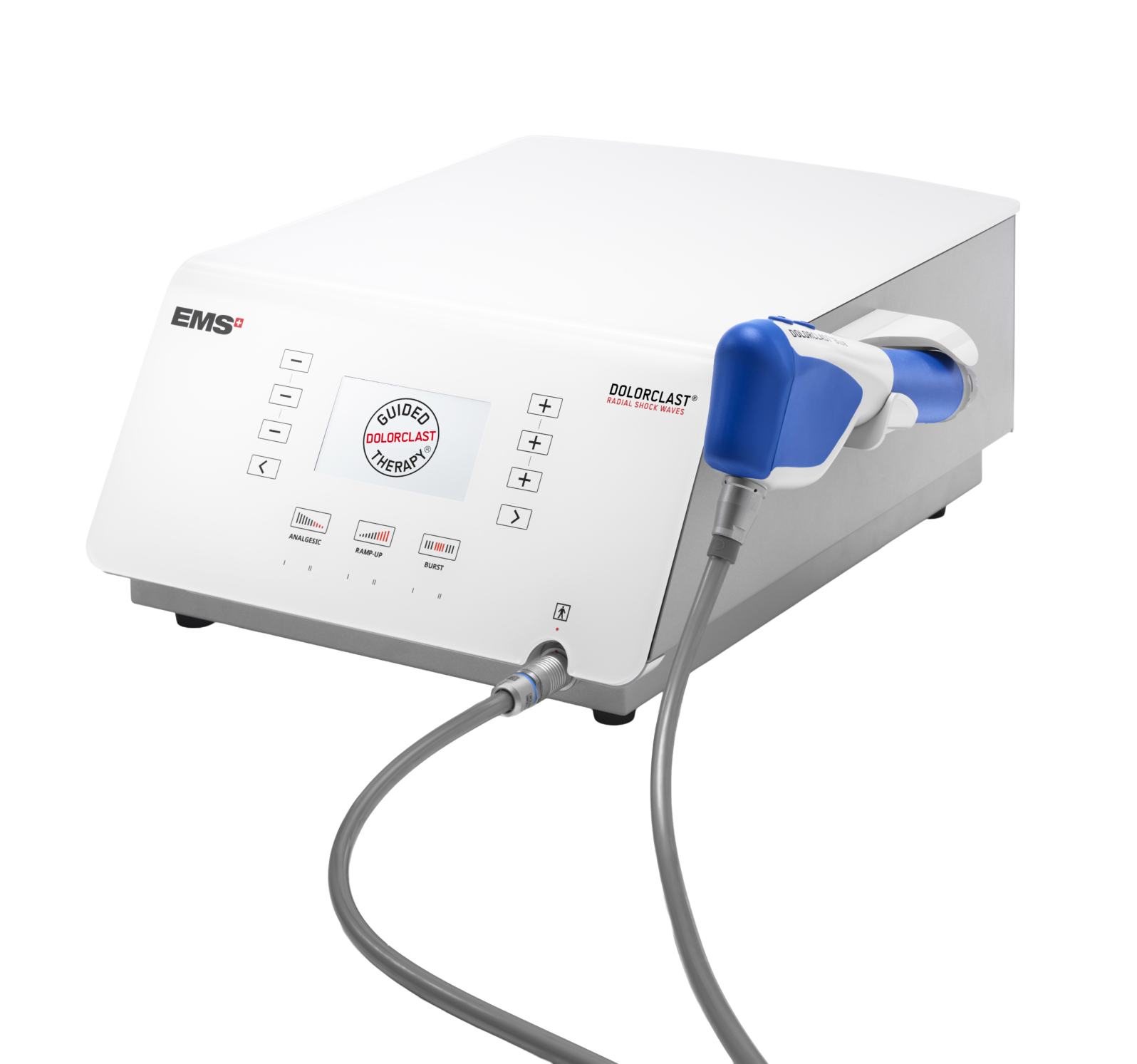
Radial shock wave therapy
Penetration depth up to approx. 4 cmRadial shock wave therapy uses ballistic technology and is characterized by a broad, diffuse distribution of energy. The shock waves penetrate up to about 4 cm deep into the tissue and are particularly suitable for treating superficial tendon and fascia conditions, myofascial trigger points, and large muscle groups.
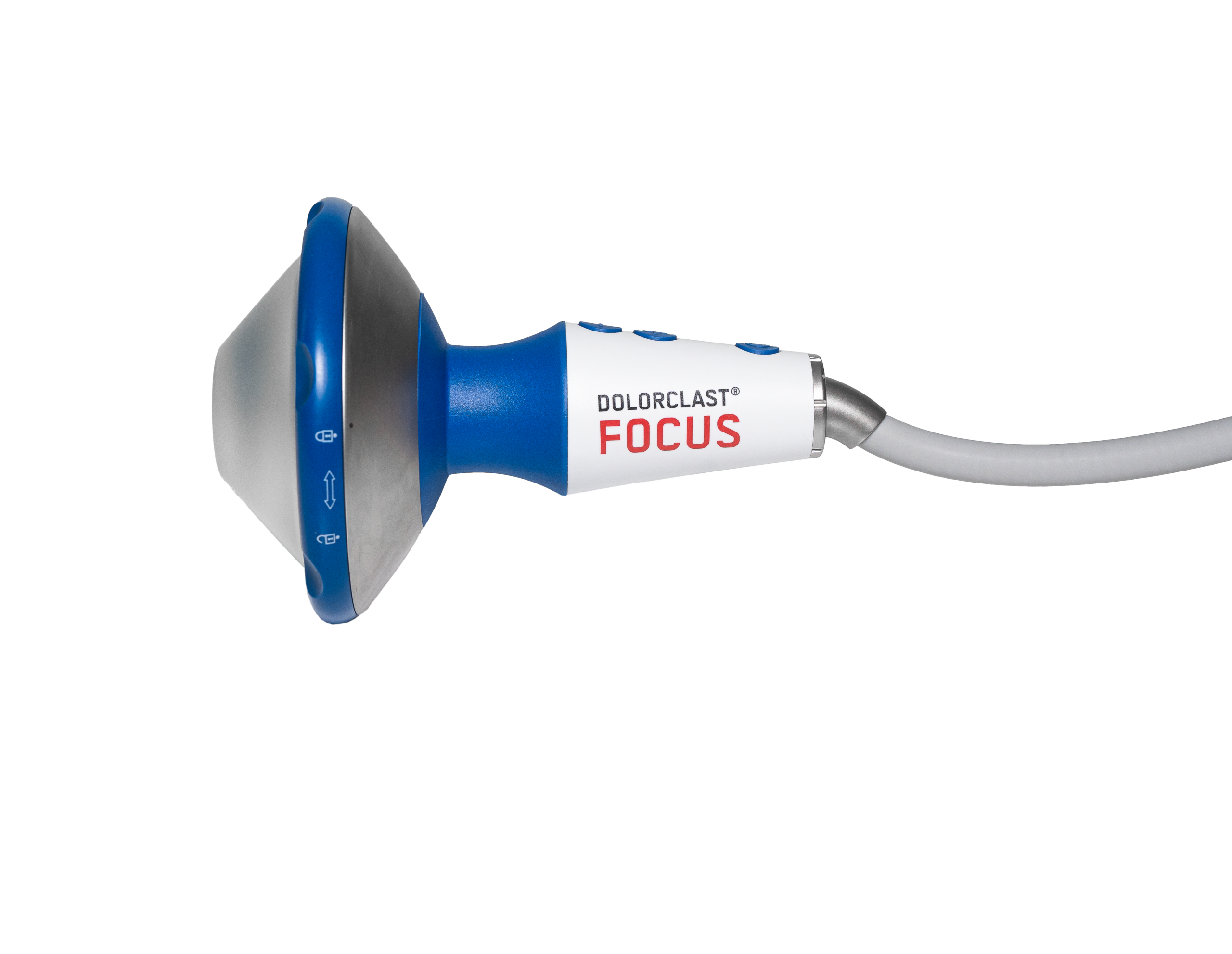
Focused Shock Wave Therapy
Penetration depth up to approx. 8 cmFocused shock wave therapy is based on piezoelectric technology, in which approximately 1,000 piezo crystals precisely concentrate their energy at a defined focal point. This allows high energy densities to be delivered specifically to deeper tissue structures. With a penetration depth of up to 8 cm, it is particularly suitable for deep-seated pathologies, tendon insertion disorders (enthesopathies), as well as delayed bone healing and pseudoarthrosis.
Benefits of Shock Wave Therapy and Possible Side Effects
Benefits of Shock Wave Therapy
ESWT offers a number of benefits and has established itself as a proven treatment method for numerous musculoskeletal conditions:
- Non-invasive treatment without surgery
- No medication or injections required
- Short treatment duration
- Generally, no downtime
- Stimulation of the body's own healing and regeneration processes
- Targeted treatment of the affected structure
- Can reduce pain and improve function
- Wide range of applications for tendon, muscle, fascia, and bone conditions
Possible Side Effects
Shock wave therapy is considered a well-tolerated and low-risk procedure. However, as with any medical treatment, temporary side effects may occur:
- Mild pain or tenderness during treatment
- Temporary redness or swelling in the treatment area
- Minor skin bleeding or bruises (hematomas)
- Temporary increase in symptoms during the first few days after treatment
- Rare cases of irritation of nerves or soft tissues
Note: Most side effects are mild and go away on their own within a few days.
Science & Research on Shock Wave Therapy
The effectiveness of extracorporeal shock wave therapy (ESWT) has now been demonstrated by numerous scientific studies and systematic reviews. Randomized controlled trials have shown significant improvements in pain and function, particularly for musculoskeletal conditions such as plantar fasciitis, Achilles tendon issues, and calcific tendinitis of the shoulder.
Devices in the EMS DolorClast® series are also among the most extensively studied shock wave systems worldwide. According to analyses of the PEDro database, 34 out of 62 randomized controlled ESWT studies were conducted using DolorClast® devices. The scientific evidence shows that shock wave therapy can stimulate healing processes, promote microcirculation, and provide long-term relief from chronic pain.
- A randomized, placebo-controlled, multicenter study on the treatment of plantar fasciitis (heel spurs) showed that radial shock wave therapy was significantly more effective than placebo.
- A Review of the Evidence for Shock Wave Therapy in Orthopedics —A Comprehensive Assessment of the Safety and Efficacy of Various ESWT Applications.
- Scientific Evidence for EMS DolorClast® in Knee Osteoarthritis.
- Study on the Effectiveness of Shock Wave Therapy for Tennis Elbow.
- Shockwave therapy as a treatment for medial tibial stress syndrome.
- Eccentric Loading vs. Radial Shock Wave Therapy for Chronic Insertional Achilles Tendinopathy.
Clinic Finder for Shock Wave Therapy
Are you a patient interested in shock wave therapy?
Find a clinic offering shock wave therapy right in your area now!
Austria-wide clinic locator for certified users of EMS DolorClast® shock wave therapy.
Find a practice near meComplementary Therapy to Shock Wave Treatment
Lumark combines targeted cold therapy with individually adjustable compression - for rapid initial treatment of sports injuries and reliable aftercare following knee or ankle surgery.
The anatomically shaped cooling wraps fit securely, work without external devices or electricity, and are designed for repeated use.
Cold therapy has never been easier—the cool way to recover.
The right cooling bandage for every joint
Anatomically shaped for knees and ankles - medically approved, reusable.
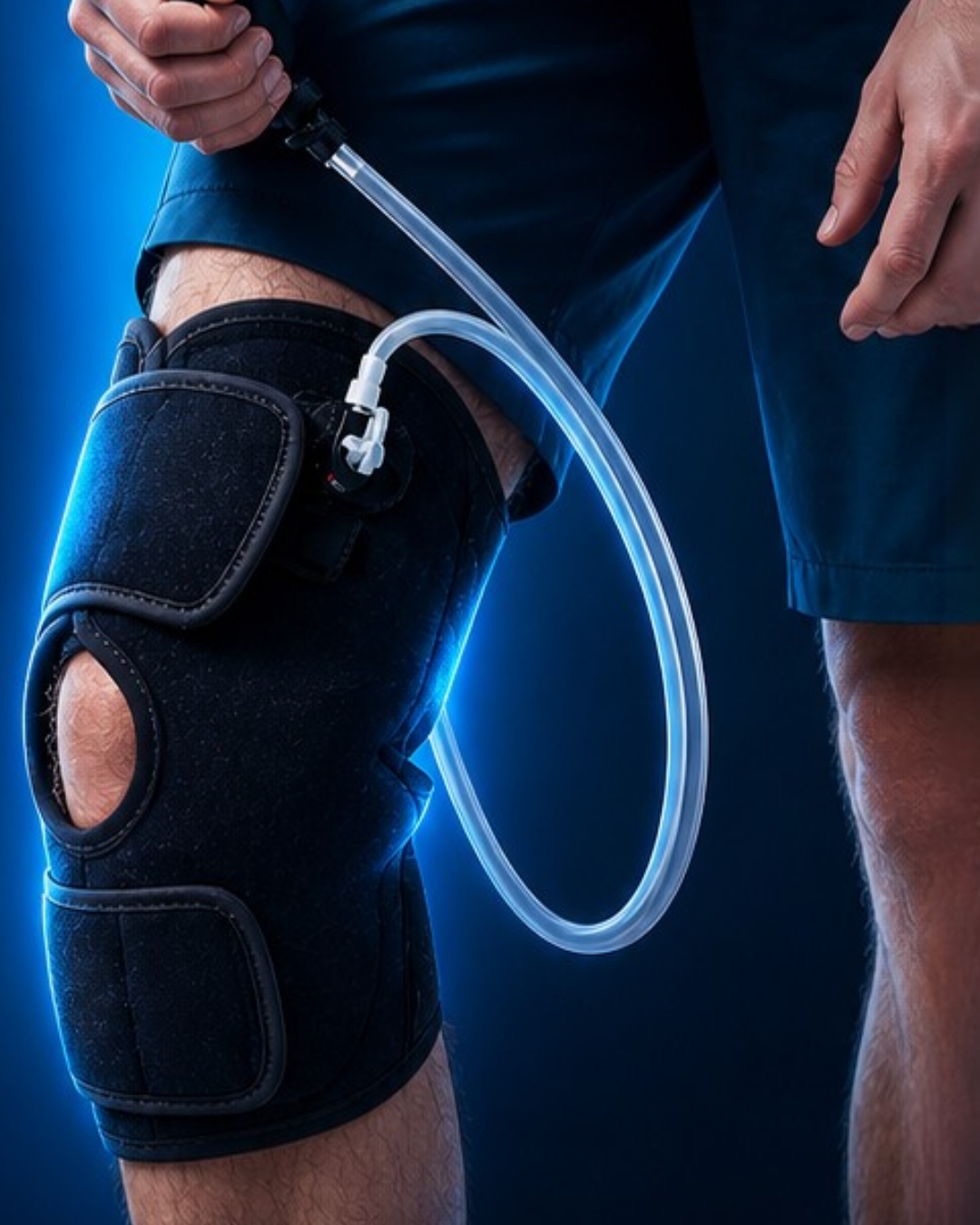
Lumark knee support
incl. 2 cool packs
Anatomically shaped cooling bandage for the knee joint - even cooling with individually adjustable compression.
- Large-area, uniform cooling
- Optimum adaptation to the knee joint
- Suitable for sports & post-op
- Universal size (adjustable)
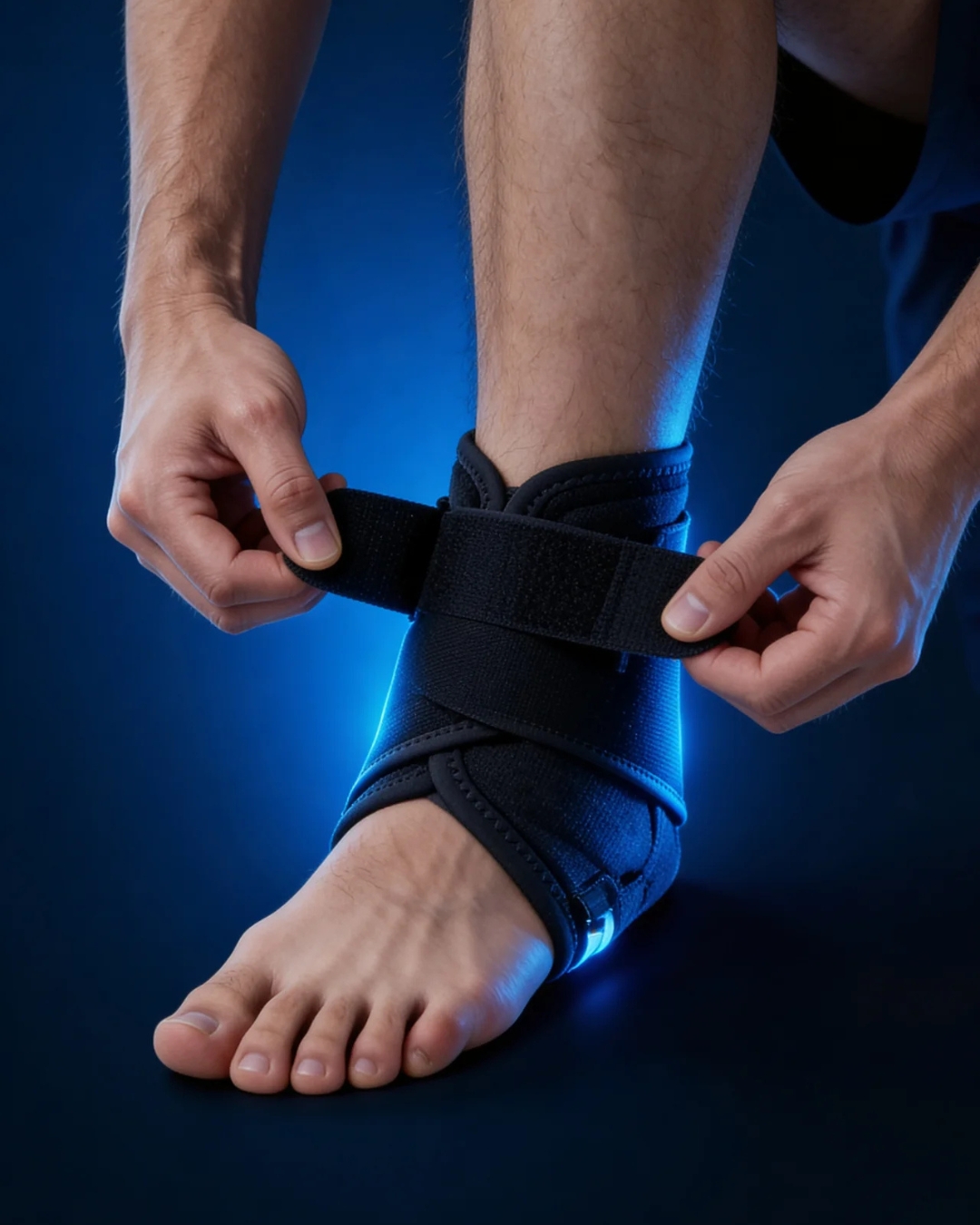
Lumark ankle support
incl. 2 cool packs
Compact cooling bandage for the ankle and ankle joint area - targeted cold therapy with high wearing comfort.
- Precisely fitting, compact shape
- Targeted cooling in the ankle joint
- Pleasant, textile material
Frequently Asked Questions About Shock Wave Therapy
What is shock wave therapy, and how does it work?
Extracorporeal shock wave therapy (ESWT) is a modern, non-invasive treatment method designed to support natural healing processes. Targeted, high-energy shock waves, delivered to the affected tissue via a handpiece, activate regenerative processes—without the need for medication, injections, or surgery.
For which conditions is shock wave therapy used?
Shock wave therapy is successfully used to treat a wide range of musculoskeletal conditions. These include tendon disorders (tendinopathies) such as heel spurs, calcific tendinitis of the shoulder, tennis elbow, golfer’s elbow, and Achilles tendon problems, as well as orthopedic and degenerative conditions such as osteoarthritis, trochanteric bursitis, or delayed bone healing (pseudoarthrosis). Shock wave therapy also yields good results for myofascial conditions such as trigger points, chronic muscle tension, cervical syndrome, or low back pain.
Does shock wave therapy help with heel spurs?
Yes. Heel spurs (plantar fasciitis) are one of the most common indications for shock wave therapy. A heel spur is a bony protrusion on the heel bone that is associated with pain on the sole of the foot or in the area where the heel meets the foot. Shock wave therapy can help reduce pain, improve blood flow, and stimulate the natural healing processes in the affected tissue. It is considered a proven, non-invasive treatment option for persistent heel pain.
Can shock wave therapy help with calcific tendinitis of the shoulder?
Calcific tendinitis (tendinosis calcarea) is a condition affecting the shoulder tendons in which calcium deposits form in the tendon tissue. These deposits can cause pain and significantly limit shoulder mobility. Shock wave therapy can reduce inflammation, relieve pain, and promote the regeneration of the affected tissue. It has established itself as an effective, non-invasive treatment option for calcific tendinopathy.
What is tennis elbow, and how is it treated with shock waves?
Tennis elbow (lateral epicondylitis) is a painful irritation of the tendon insertions on the outside of the elbow, often caused by repetitive strain on the wrist and forearm. Those affected often experience pain when gripping or lifting objects. Shock wave therapy can help reduce pain, improve blood flow, and promote the regeneration of the irritated tendon tissue.
Does shock wave therapy also help with golfer's elbow?
Yes. Golfer's elbow (medial epicondylitis) is a painful inflammatory condition affecting the tendon insertions on the inner side of the elbow. The symptoms are often caused by repetitive strain or overuse of the forearm muscles and are not limited to golfers. Shockwave therapy can help relieve pain, promote blood flow, and support the regeneration of the affected tendon tissue.
What are Achilles tendon problems (Achillodynia), and can shock wave therapy help?
Achillodynia refers to pain and irritation in the area of the Achilles tendon. These symptoms are often caused by overuse, athletic activities, or recurring improper loading of the tendon. Shock wave therapy can promote blood flow, stimulate regenerative processes, and help relieve pain. This can support the healing of tendon tissue and improve the function of the Achilles tendon.
What exactly does a shock wave treatment involve?
Before treatment, a thorough examination is first conducted to determine the cause of the symptoms and precisely locate the affected area. A contact gel is then applied to the skin to ensure optimal transmission of the shock waves into the tissue. Using a special handpiece, high-energy shock waves are then precisely directed into the tissue to be treated. The intensity and number of pulses are adjusted individually depending on the condition and treatment goal. A session usually lasts between 5 and 15 minutes.
How many shock wave therapy sessions are needed?
To achieve optimal results, several sessions spaced a few days to a few weeks apart are often necessary. The exact number depends on the individual diagnosis and treatment goal and is determined in consultation with the treating specialist.
Can I go back to my normal daily routine right away after shock wave therapy?
Yes. Since shock wave therapy is noninvasive and does not require any downtime, patients can usually resume their normal activities immediately after treatment. This makes shock wave therapy particularly appealing to working professionals and athletes.
What is the difference between radial and focused shock wave therapy?
Radial shock wave therapy uses ballistic technology and is characterized by broad, even energy distribution. The shock waves penetrate up to about 4 cm deep into the tissue and are particularly suitable for superficial tendon and fascia issues, myofascial trigger points, and large muscle groups. Focused shock wave therapy is based on piezoelectric technology, in which approximately 1,000 piezo crystals precisely concentrate their energy at a defined focal point. With a penetration depth of up to 8 cm, it is particularly suitable for deep-seated pathologies, tendon insertion issues, delayed bone healing, and pseudoarthrosis. The key to treatment success is not whether radial or focused therapy is used, but rather the selection of the appropriate form and intensity of energy for the specific condition.
What are the possible side effects of shock wave therapy?
Shock wave therapy is considered a well-tolerated and low-risk procedure. However, as with any medical treatment, temporary side effects may occur, including mild pain or tenderness after treatment, temporary redness or swelling in the treatment area, small skin hemorrhages or bruises (hematomas), a temporary increase in symptoms in the first few days after treatment, as well as, in rare cases, irritation of nerves or soft tissues. Most side effects are mild and resolve on their own within a few hours or days.
Has the effectiveness of shock wave therapy been scientifically proven?
Yes. The effectiveness of ESWT has been demonstrated by numerous scientific studies and systematic reviews. Randomized controlled trials have shown significant improvements in pain and function, particularly for conditions such as plantar fasciitis, Achilles tendon pain, and calcific tendinitis of the shoulder. Devices in the EMS DolorClast® series are among the most extensively studied shock wave systems worldwide—34 of the 62 randomized controlled ESWT studies in the PEDro database were conducted using DolorClast® devices.
In which medical specialties is shock wave therapy used?
Shock wave therapy is used in orthopedics, physical therapy, and sports medicine, as well as in professional and competitive sports. The treatment has also become established in veterinary medicine. In addition, there are other areas of application, such as the treatment of erectile dysfunction (fESWT), cellulite (rESWT), chronic wounds, and lymphatic disorders.
How does shock wave therapy work biologically in the body?
Shock wave therapy promotes several biological mechanisms: It reduces substance P, a neurotransmitter involved in pain transmission, inhibits neurogenic inflammatory processes, stimulates the release of growth factors and stem cells for tissue repair, promotes the formation of new small blood vessels (angiogenesis), and supports the regeneration of tendons, muscles, bones, and cartilage.
Are there any complementary therapies to shock wave therapy?
Yes. Cold therapy combined with compression is an effective complementary treatment to support the healing process—especially for sports injuries or after knee or ankle surgery. Lumark combines targeted cold therapy with individually adjustable compression for rapid initial treatment and reliable follow-up care. The anatomically shaped cooling wraps for the knee and ankle are medically approved, reusable, and can be used without external devices or electricity.
Where can I find a clinic that offers shock wave therapy using certified equipment?
Using our practice finder, you can search throughout Austria for certified providers of EMS DolorClast® shock wave therapy near you. Are you a doctor, physical therapist, or healthcare professional interested in testing a shock wave device? Contact us directly via our contact form to request a demo.